
Contact Lenses For Dry Eyes: Best Options And Tips
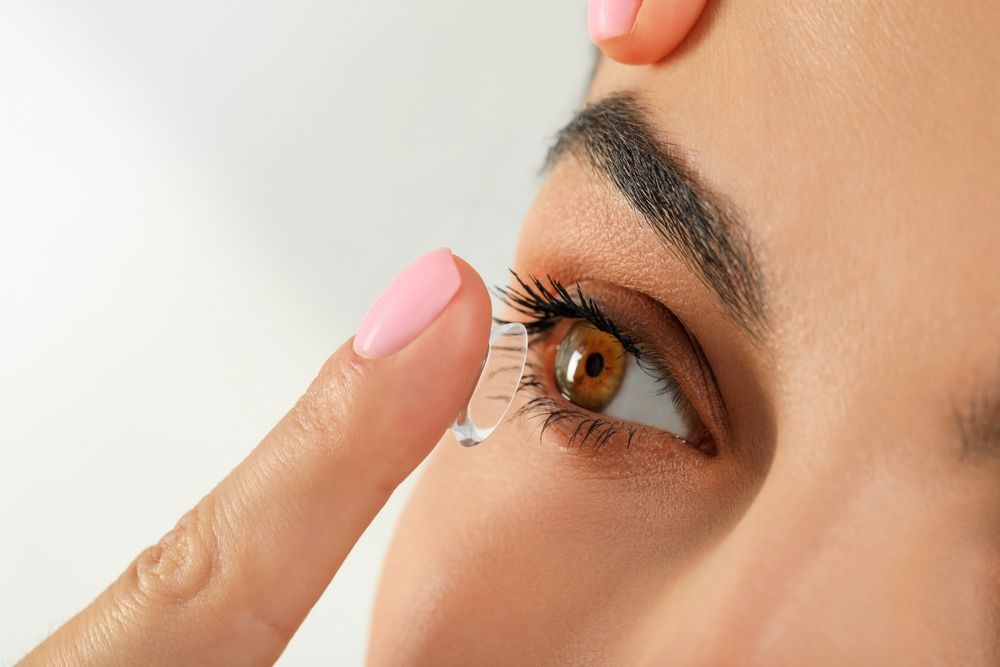
Dry eye can make contact lenses feel gritty, blurry, or uncomfortable by midday. The good news is that today’s contact lens technology offers several dry eye friendly options, especially when your prescription and ocular surface needs are evaluated together. If you want to keep the convenience of contacts without constantly reaching for rewetting drops, the right lens design and a few habits can make a noticeable difference.
Why Dry Eyes and Contact Lenses Do Not Always Mix
A stable tear film is what keeps vision crisp and lenses comfortable. When tear quality or quantity is low, lenses can dehydrate, increase friction on the cornea, and trigger redness or burning. Things like screen time, medications, allergies, and dry indoor air can compound the problem. That is why a proper contact lens fitting for dry eye focuses on both vision correction and how well the lens interacts with your tears.
Best Contact Lens Options for Dry Eyes
Not every lens is a fit for every eye, but these options are often worth discussing at a dry eye focused contact lens exam:
- Daily disposable lenses to reduce deposits and irritation
- Silicone hydrogel materials designed to maintain oxygen flow
- Rigid Gas-Permeable Lenses for sharper optics and less on-eye dehydration
- Scleral Contact Lenses that vault the cornea and maintain a fluid reservoir for comfort
- Specialty coatings or material upgrades that improve surface wetting
Tips To Keep Contacts Comfortable All Day
Even the best lens can feel dry if daily routines are working against your tear film. A few practical changes often help:
Use preservative free lubricating drops approved for contacts, and avoid overusing redness relievers. Follow the 20-20-20 rule during screen time to reduce incomplete blinking. Keep airflow from fans and car vents away from your face. Stay hydrated, and consider using a humidifier at home if indoor air feels dry.
If you wear reusable lenses, strict cleaning and replacement schedules matter. Deposits build up faster on dry eyes, and even slight surface film can reduce comfort and clarity.
When It Is Time to Consider a Different Lens Type
If you regularly remove your lenses early, rely on frequent drops, or notice fluctuating vision late in the day, it may be time to reassess your fit. A thorough evaluation can identify whether your dryness is primarily evaporative, inflammatory, or related to meibomian gland function, then pair treatment with the most compatible lens design.
Upgrade Your Contact Lens Comfort
A tailored fitting looks beyond your prescription. Tear film quality, eyelid health, lens movement, and surface wetting all influence success. At Firefleye Optometry, contact lens recommendations can be aligned with dry eye care so you are not choosing between comfort and clear vision.
If you are ready to explore dry eye friendly contacts, schedule a comprehensive eye exam at Firefleye Optometry. Visit our office in Mission Hills, California, or call us at (818) 361-4020 to schedule an appointment today.




Contact Info
Hours of Operation
- Monday 8:40 AM - 12:00 PM 1:00 PM - 5:00 PM
- Tuesday 8:40 AM - 12:00 PM 1:00 PM - 5:00 PM
- Wednesday 8:40 AM - 12:00 PM 1:00 PM - 5:00 PM
- Thursday 9:40 AM - 1:00 PM 2:00 PM - 6:00 PM
- Friday 8:40 AM - 12:00 PM 1:00 PM - 5:00 PM
- Saturday Closed
- Sunday Closed
© 2026 Firefleye Optometry. All rights Reserved. Accessibility Statement - Privacy Policy - Sitemap
Powered by:
