
Immediate Care for Chemical Burns: How to Flush and Minimize Damage
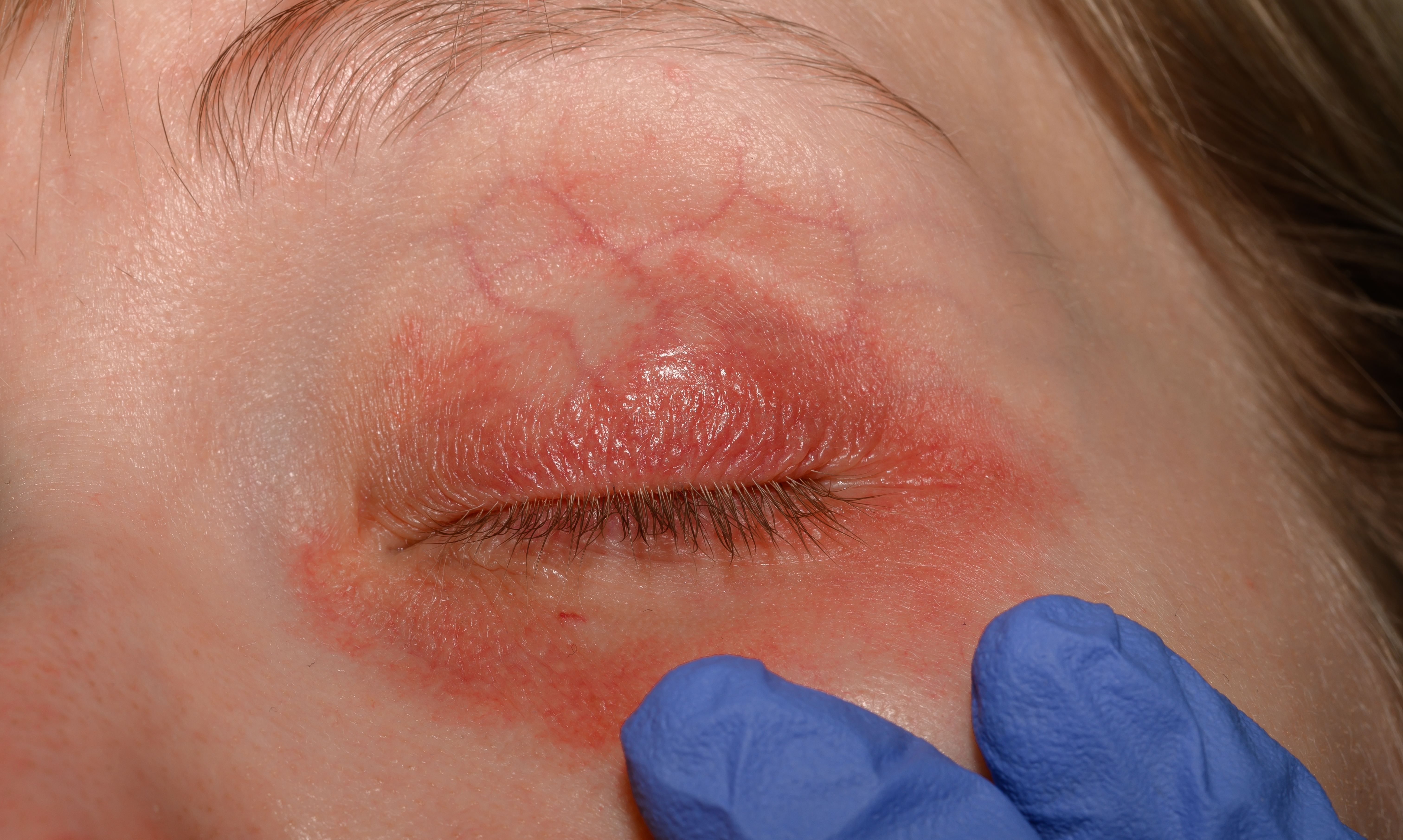
Chemical Burns Are an Eye Emergency
A chemical burn in the eye can happen quickly and may cause serious damage if it is not handled right away. Cleaning products, pool chemicals, fertilizers, industrial substances, acids, alkalis, and even some household sprays can injure the surface of the eye. The first few minutes matter.
At Firefleye Optometry in Mission Hills, CA, we encourage patients to treat any chemical exposure as urgent. Even if the eye feels better after rinsing, a prompt eye exam is important because damage can continue beneath the surface.
Start Flushing Immediately
If a chemical gets in your eye, begin flushing right away. Do not wait to call a doctor before rinsing. The goal is to dilute and remove as much of the chemical as possible before it causes more irritation or tissue injury.
Use clean, lukewarm running water, sterile saline, or an eyewash station if one is available. Hold the eyelids open and allow the fluid to flow across the eye. If both eyes were exposed, flush both at the same time if possible. Remove contact lenses if they come out easily during rinsing, but do not delay flushing to search for them.
How Long to Flush the Eye
For most chemical eye exposures, flushing should continue for at least 15 to 20 minutes. Stronger chemicals may require longer rinsing. It is normal for the eye to feel uncomfortable, watery, or difficult to keep open, but continued flushing is one of the most important steps you can take to minimize damage.
During flushing, try to move the eye in different directions so water reaches under the lids and across the full surface. Avoid using eye drops, ointments, or home remedies unless instructed by a medical professional.
What Not to Do After Chemical Exposure
Certain actions can make a chemical burn worse or delay proper treatment. If a chemical gets into your eye, avoid these common mistakes:
- Do not rub the eye
- Do not try to neutralize the chemical with another substance
- Do not place a patch over the eye
- Do not use redness relief drops
- Do not wait for symptoms to improve before seeking care
- Do not continue wearing contact lenses
- Do not drive yourself if vision is blurred or pain is severe
These steps help reduce the risk of further irritation while you seek professional care.
Why an Eye Exam Is Still Needed
Flushing the eye is essential, but it does not replace an eye exam. Chemical burns can affect the cornea, conjunctiva, eyelids, and deeper tissues. Some injuries may look mild at first but worsen later, especially with alkaline chemicals found in some cleaners, cement, drain products, and industrial materials.
An eye doctor can check the eye’s surface, evaluate the cornea, measure the severity of the injury, and determine whether treatment is needed. Patients in Mission Hills should seek prompt care after any chemical exposure, even if symptoms begin to calm down after rinsing.
Signs of Chemical Burn Damage
Symptoms can vary depending on the chemical and how long it stayed in contact with the eye. Some people feel immediate burning, while others notice symptoms that worsen over time.
Common signs may include redness, pain, tearing, swelling, blurred vision, light sensitivity, a gritty feeling, eyelid irritation, or difficulty keeping the eye open. Severe pain, vision loss, cloudiness, or worsening redness should be treated as urgent.
How Treatment May Help Protect Vision
After a chemical burn, treatment depends on the type and severity of the injury. An eye doctor may continue irrigation, examine the eye with special dye, prescribe medication, recommend lubricating drops, or schedule close follow-up to monitor healing.
At Firefleye Optometry, we focus on protecting the health of the eye and helping patients understand what to do next. Chemical eye injuries can be frightening, but fast action and professional care can help reduce complications.
Preventing Chemical Eye Injuries
Many chemical burns are preventable with proper eye protection. Wear safety glasses or goggles when using cleaning products, pool chemicals, yard treatments, paint, solvents, or workplace chemicals. Always read product labels, avoid mixing chemicals, and wash hands thoroughly after handling irritants.
For chemical burn eye care and urgent eye exams in Mission Hills, CA, contact Firefleye Optometry at 15336 Devonshire St Ste 4 by calling (818) 361-4020.





Contact Info
Hours of Operation
- Monday 8:40 AM - 12:00 PM 1:00 PM - 5:00 PM
- Tuesday 8:40 AM - 12:00 PM 1:00 PM - 5:00 PM
- Wednesday 8:40 AM - 12:00 PM 1:00 PM - 5:00 PM
- Thursday 9:40 AM - 1:00 PM 2:00 PM - 6:00 PM
- Friday 8:40 AM - 12:00 PM 1:00 PM - 5:00 PM
- Saturday Closed
- Sunday Closed
© 2026 Firefleye Optometry. All rights Reserved. Accessibility Statement - Privacy Policy - Sitemap
Powered by:
